
Movies & TV / Columns
Producer Adi Shankar on Devil May Cry Season 2, Producing Authentic Video Game Adaptations
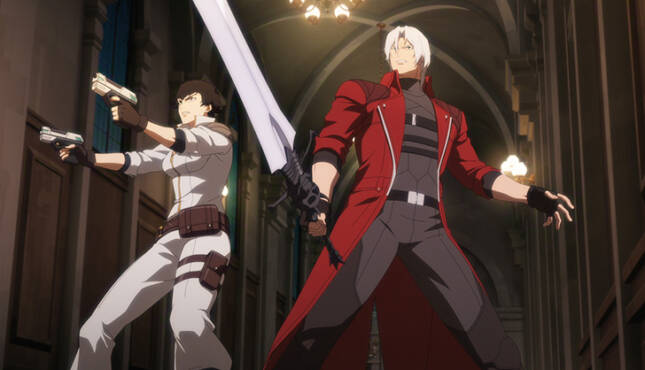 Image Credit: Netflix

This month the second season of Netflix’s Devil May Cry animated series debuted. And today I have an exclusive interview with the creator/writer/producer of the show, the phenomenal Adi Shankar!
We have interviewed Adi before and know that he is a long-time reader of 411 and just an all-around fascinating guy. One of the youngest producers in Hollywood history to have a number one movie at the box office, the man has been a producer on everything from Dredd to Bodied. He is also the purveyor of the Bootleg Universe, a very un-Hollywood remix of established pop culture mythology through a series of viral online video films that went viral before going viral was a Gen Z career path.
Adi’s more recent animation-focused partnership with Netflix started with the daring Castlevania series. The show was a massive hit that treated the source material with respect and kicked off the current phase of authentic video game adaptations across movies and prestige TV.
After that, he created two absolutely blazing animated series: The Guardians of Justice and Captain Laserhawk (read my 411mania review here). Trust me, if you haven’t seen these guerrilla gems yet, check them out! You will be shocked by the kind of subversive and wild things that are lurking in the dark corners of Netflix.
And now he’s back with another season of his second official game adaptation Devil My Cry, which starts by dropping you into a demonic war zone like it’s Saving Private Ryan in literal hell!
To commemorate the return of the show, I asked Adi some questions that cover his career, the intentions behind this new season, and all the existential dread in between.
Question: Devil May Cry is back for Season 2! Is it easier or more difficult to produce a second season of a hit show?
Adi Shankar: It’s not easier or harder. It’s stranger, because success changes the room, changes the audience, and changes you.
The self is not fixed: you are altered by pressure, love, violence, cowardice, sacrifice, memory, and the stories other people start telling about you.
Question: What will Movies/TV be like in 50-100 years? Will people still be watching 2-hour movies on flat screens, or will that be completely replaced by streaming, games, AR/VR, holograms, etc.
Adi: No. A hundred years from now, a two-hour movie on a flat screen will probably feel as archaic as a campfire story feels to us now. Streaming will feel old. The screen itself may feel old. We may be inside stories, surrounded by them, interacting with them, experiencing them through formats we don’t even have language for yet.
But the important part is not the container. We preserve stories so the next generation can transform them. They won’t tell our stories the way we told them. They’ll break them, remix them, rebuild them, and make them speak to their own moment. That’s how culture survives.
The technology changes. The human impulse doesn’t. We are still trying to understand love, death, betrayal, power, loneliness, family, God, violence, memory. Those things don’t go obsolete. Every act echoes forward. A song survives its composer. A kindness survives its moment. A crime survives its victim. Nothing disappears. It only changes form.
Question: One of my favorite movies that you produced is Machine Gun Preacher, a story about just how difficult / impossible it can be to get things done even when someone has the best intentions. In the entertainment industry, as someone with good intentions, how hard has it been to get things done?
Adi: It’s extremely hard, but not always for the reasons people think. The hardest is momentum. Hollywood is an industry built around precedent, fear, and consensus. If something has already worked, everyone understands it. If something hasn’t worked yet, everyone thinks you’re crazy.
So fighting the current is almost impossible. But when you find the current and when the culture, the audience, the timing, and the idea all line up, suddenly the same thing that made you look insane starts making you look inevitable.
That’s the part people forget. Revolution looks insane until it wins. Then everyone pretends it was obvious the whole time.
Question: Do eSports degrade the art of video games?
Adi: No. eSports doesn’t degrade video games; it reveals another layer of them. The game designer creates the instrument, and the player becomes the musician. At the highest level, every movement becomes an expression entering the bloodstream of history.
Question: Video game adaptations in movies / TV are very popular and critically acclaimed these days. However, before your version of Castlevania for Netflix, game adaptations were never taken very seriously or generally achieved any sustained success. What changed in Hollywood and why did it take so long?
Adi: A handful of people proved the audience was already there, and that if you approached these games with seriousness, taste, and actual authorship, they could become culturally meaningful. The individual is tiny, yes, but history is made out of tiny individuals. Power wants you to believe your drop is meaningless because that belief keeps the ocean unchanged. But a few passionate people can move together, make something real, and change the business.
Question: Dante in Devil May Cry is a super-powered hero with a lot of demons, so to speak. Why do we relate to much to characters who are surrounded by so much evil and killing?
Adi: We relate to characters like Dante because most people feel surrounded by demons they can’t name in systems that make them feel powerless. Dante gives people an alternative image of the self: someone wounded but still funny, damaged but still heroic, trapped in darkness but still swinging a sword through it.
Question: Many streaming movies and shows are criticized today for having very literal dialogue that describes exactly what is happening on the screen, because producers are afraid people are watching while using their phones. However, there was a particularly powerful episode in Devil May Cry Season 1 that featured mostly music and songs with almost no dialogue. How important was this episode and/or how difficult was it to produce?
Adi: It was very important, but the hard part wasn’t convincing Netflix. I sold them the show with that episode intact, and to their credit, they were completely on board.
The difficulty was creative discipline. You have to trust that image, music, performance, and emotion can carry story without characters explaining everything to the audience. In an era where so much dialogue is written like a safety net, that episode was us saying: no, the audience can feel this. They don’t need every thought translated into words.
Big thanks to Adi Shankar for dropping all that science! Devil May Cry Season 2 is streaming now on Netflix.


